


Christine’s Way to Healing Supports UH Neurological Institute’s Peripheral Nerve Surgery Center
March 16, 2026

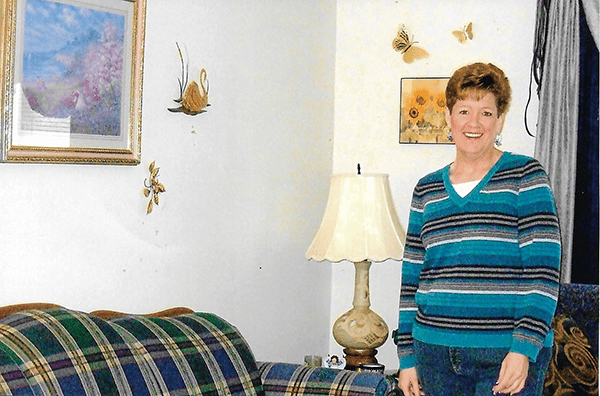
The fifth of 8 siblings and youngest girl in her family, Christine Sadosky was also the guardian of its traditions. She adored her godchildren, nieces and nephews; and she never missed a holiday or celebration, always arriving with a trunk full of decorations. Out of high school, Christine began working in accounting and soon moved into IT, a self-taught discipline, for nearly four decades. She loved sunflowers, ladybugs and beautifying spaces with wreaths of her handiwork.
In hindsight, Christine’s childhood health challenges suggested a proneness to autoimmune conditions. She endured many allergies, even rashes from sun exposure; she developed asthma in her 20s and suffered years of severe migraines. By middle age, Christine began losing strength. Frustrating limitations became frightening: difficulty with stairs, trouble gripping objects, increasing falls. Swallowing and speaking became harder. The last was a cruel loss for someone known for their singing voice.
Ultimately, Christine was diagnosed with inclusion body myositis (IBM). The most common acquired muscle disease in people over 50, IBM is still rare, affecting an estimated 5 to 30 people per million, depending on the study. The progressive disease weakens muscles and dampens quality of life. No cure currently exists. Christine passed last July at the age of 58.
Those who remember Christine with every sunflower or ladybug they see can now also see her continuing legacy of helping others, this time those fighting similar illnesses.
Gifts from Christine’s friends, family and estate to University Hospitals have established the Christine’s Way to Healing Fund, which supports the work of UH neuromuscular specialist Christopher Geiger, DO, and UH neurosurgeon Stanley Bazarek, MD, PhD. The two caregivers lead the UH Neurological Institute’s Peripheral Nerve Surgery Center, which provides the latest in diagnosis and treatment of peripheral nerve injuries and disorders.
The new fund will expedite diagnostic testing for complex neuromuscular and nerve-related conditions, enhance collaboration between neurology and neurosurgery, and accelerate innovation and research focused on patient outcomes.
Bright Spots
Like many living with IBM, answers came slowly for Christine, with diagnoses morphing over the years. At one point, she was told she had polymyositis, a different inflammatory muscle disease that can respond to immunosuppressive treatments. But these only left her feeling worse.
Amidst the false starts, Christine found bright spots. “Well, they couldn’t fix me,” she said after one appointment, “but at least I made them laugh.”
She turned to and made headway at UH under the care of Dr. Geiger. “IBM is a diagnosis often made by the second or third neurologist a patient sees,” he said. “The disease is insidious, sometimes taking years to manifest. Christine’s case is a good reminder that now and then we need to reconsider a diagnosis and not get pigeonholed, especially when treatments fail to produce the intended results.”
As Christine’s mobility declined, her pain increased, particularly in her back. Dr. Geiger brought in Dr. Bazarek, who is trained in complex spine and peripheral nerve reconstruction.
Though the difficulty at this stage of her disease progression was extraordinary, Christine found joy in the ordinary. Neighbors would see her in her driveway, popping wheelies in her motorized wheelchair. With the help of family and some goodhearted strangers, she got to see a Teddy Swims concert last summer.
“Christine had an incredible way of choosing life within her limitations,” Dr. Bazarek said. “Our job is to take our patients' priorities seriously, alongside the scans and the symptoms.”
Through the ups and downs of Christine’s care journey, both physicians exceeded the family’s expectations. They took calls directly and helped navigate decisions in real time, including in the most challenging of moments.
Christine spent her life showing up for others. Her legacy continues to help patients and families seeking clarity and support.
We can make an impact at UH and in our community Because of You.