


Support the Sickle Cell Anemia Center at UH Rainbow
February 02, 2021

Growing up in Ghana, Amma Owusu-Ansah, MD, saw firsthand the health care disparities that exist for people with sickle cell anemia. When it came time to focus on a pediatric specialty, she identified sickle cell as her main area of interest with an eye toward improving access to care and getting new therapies to patients around the world faster.
A return to UH Rainbow
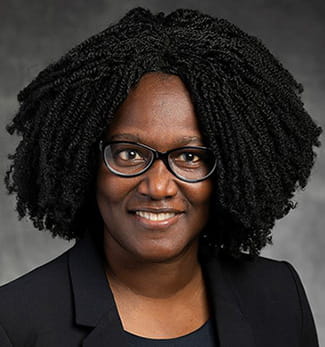
After completing a fellowship at UH Rainbow Babies & Children’s Hospital, Dr. Owusu-Ansah spent two additional years doing research in the lab of John Letterio, MD, Division Chief, Pediatric Hematology and Oncology, and the Jane and Lee Seidman Chair in Pediatric Cancer Innovation. She left to join the staff at the University of Pittsburgh Medical Center and came back to UH Rainbow in September 2020 to be the Clinical Director of the Pediatric Sickle Cell Anemia Center.
“I was drawn to the opportunity to lead a program and establish interventions that can make a big impact in someone’s life," shared Dr. Owusu-Ansah. "I also have the chance to explore my research interests locally and internationally. My goals fit very well within UH’s mission.”
The Sickle Cell Anemia Center, part of the Angie Fowler Adolescent & Young Adult Cancer Institute at UH Rainbow Babies & Children's Hospital, is home to the largest inherited blood disorders program in Northeast Ohio. In cooperation with local and regional pediatricians and family physicians, the center helps more than 250 children manage the disease and reach their full potential as adults.
However, the transition from pediatric to adult sickle cell patient is incredible complex. As a group, adults with sickle cell disease experience worse health outcomes compared to other diseases and children with sickle cell. They also have access to fewer health resources. One of Dr. Owusu-Ansah’s goals is to improve the outcomes of that process.
Dr. Owusu-Ansah is also developing outreach programs to the community to increase the number of adults who know their sickle cell trait status and are at risk for having a child with the disease.
A small discovery makes a big difference
Dr. Owusu-Ansah said one of the things she loves about sickle cell research is that a small discovery can make a huge difference. Sickle cell anemia patients are at increased risk for stroke. Research showed Transcranial Doppler ultrasound screening (TCD) from ages 2 to 16 years could identify those patients most at risk. At UH Rainbow, nurses at the Sickle Cell Anemia Center have the expertise to perform TCDs in clinic, preventing the need for patients to have to go to radiology.
Internationally, Dr. Owusu-Ansah is working with a biomedical engineer who developed a screening device called Gazelle. This device can determine if a patient has sickle cell disease in just six minutes. She hopes her research will help get that technology to low and middle income countries and improve the number of newborn screenings in Africa.
She is also cultivating relationships with colleagues to be at the forefront of cutting edge research involving gene therapy. “We want gene therapy trials to come to UH Rainbow," said Dr. Owusu-Ansah. "That would be a curative therapy for sickle cell in addition to bone marrow/stem cell transplant, which is the currently approved cure. The optimal scenario for a curative bone marrow transplant is when a matched sibling is the donor, which occurs in only 20 percent of patients.”
To support the work of Dr. Owusu-Ansah and the Sickle Cell Anemia Center at UH Rainbow, make a gift today.
We can make an impact at UH and in our community Because of You.